
Could You Identify These 6 Highly Venomous Snakes While Bugging Out?
[cmamad id=”3086″ align=”center” tabid=”ad-off” mobid=”3104″ stg=””]
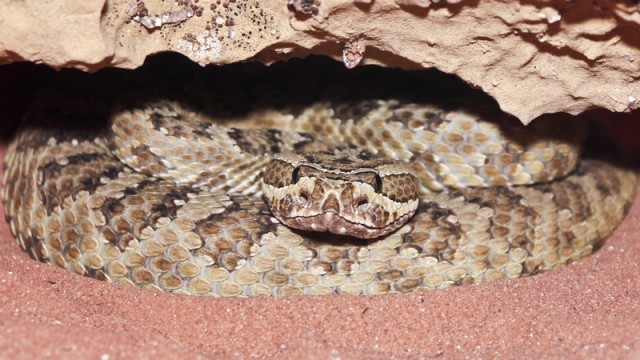
The massasauga snake is very small, which can make it extremely difficult to spot. Despite it’s miniscule size though it packs a deadly punch and it’s venom is highly toxic.
You’re not too likely to come across one of the critters though as they’re extremely rare and are on the endangered list in most areas they’re found.
According to Wikipedia
The Eastern Massasauga is listed as an endangered species in Illinois, Indiana, Iowa, Minnesota, Missouri (also considered extirpated), New York, Ohio, Pennsylvania and Wisconsin. Michigan, the only state in which it is not considered endangered, lists it as “special concern.”
3) Massasauga
MASSASAUGA (Sistrurus catenatus). Length 24-27 inches. This snake belongs to a group of small rattlesnakes called “ground” or “pygmy” rattlers, which are differentiated from the larger rattlers by having paired scales on top of the head, as have the copperhead, cottonmouth, and non-poisonous snakes. The massasauga occurs in open fields and rocky outcroppings. It is particularly common in the Flint Hills. This is the “prairie rattler” of eastern Kansas, often found under hay bales in fields. Its food consists primarily of small rodents. The small size and usually docile disposition of this snake tend to place it upon the nondangerous list, but its venom is extremely toxic, and any bite from a poisonous snake is dangerous. When aroused, these small snakes strike with a fury not seen in the larger snakes. The rattling of this small snake is hardly louder than the buzz of a grasshopper.
Find out over the next page which snake causes more deaths than any other.
