
Could You Identify These 6 Highly Venomous Snakes While Bugging Out?
[cmamad id=”3086″ align=”center” tabid=”ad-off” mobid=”3104″ stg=””]
Snakes are beautiful creatures, and I’ve always found them to be fascinating. At the same time though, I have a very healthy respect for the danger that some species can present. So take the time to learn which species can harm you, so that you know to stay well clear of them…
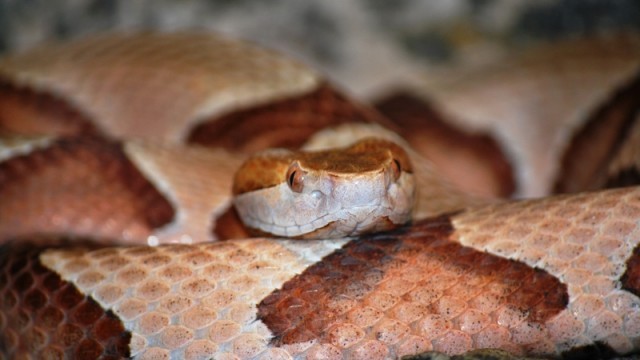
Copperheads tend to blend in with their surrounding and can therefore be hard to spot. Their bite isn’t usually deadly, but it’s still a good idea to tread lightly and carefully if they are known to be in the area,
1) Copperhead
COPPERHEAD (Agkistrodon contortrix). Length usually 2-3 feet. Common where it occurs, the copperhead is probably the most abundant poisonous snake in eastern Kansas. It is most frequently found in the vicinity of rocky ledges in oak-hickory-walnut woods, but it ranges widely, so that individuals may be found in almost any habitat during summer months. Although generally nocturnal during most of its active season, its habit of lying in the open during the daytime among dried leaves in patches of sunlight and shadow causes the pattern to blend perfectly with the background. Any hiker through this habitat should be alert. Because of the rather small size, usually inoffensive disposition, and the low toxicity of its venom this snake should be placed on the nonfatal list for adults. Elderly persons, those in poor health, or small children could find the copperhead bite fatal, however.
The snake over the next page will almost certainly kill you unless you seek immediate help.
